
Don’t Rely on Roadside Signs Alone; Get “Workers Ahead” Alerts Directly to Drivers with OnStation’s Active Worksite™
Roadway work zones are some of the most hazardous environments in the transportation system, with 898 people killed in work-zone crashes in 2023 and tens of thousands more injured. Ground crews face constant risks from fast-moving vehicles, heavy machinery, and unpredictable drivers. The risk intensifies at night, when visibility drops and workers must still locate station stakes, markings, or spray paint in the dark, often across multiple lanes of active traffic. This combination of reduced visibility, unclear location information, and fast-moving vehicles creates a perfect storm of risk for crews who are simply trying to do their jobs safely and efficiently.
This is exactly where OnStation’s Active Worksite™ provides a critical layer of protection and clarity.
How Active Worksite™ Improves Safety, Awareness, and Efficiency
Real-Time Alerts for the Traveling Public
Active Worksite™ sends your crew’s live location to major navigation systems, alerting drivers before they reach the work area. These real-time warnings reduce sudden braking, lane changes, and work-zone intrusions, which are some of the most common causes of worker injuries. When drivers know exactly where crews are operating in an active work zone, they slow down, which helps improve overall jobsite safety.
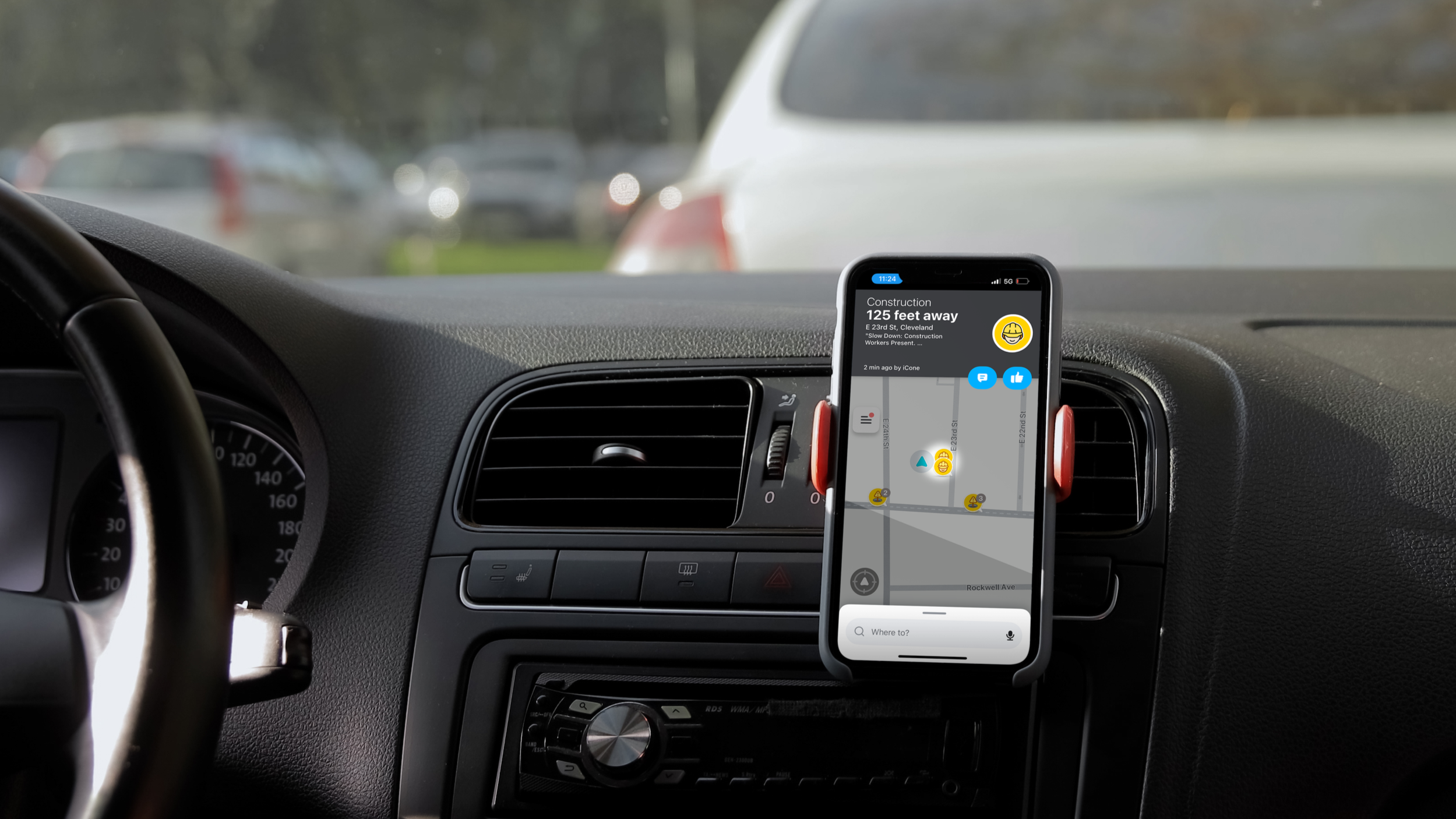
Construction alert sent from OnStation’s Active Worksite to navigation system
Augmenting Traditional Safety Tools with Real-Time Visibility
By showing the exact location of active workers, (not just project limits) Active Worksite™ provides a level of visibility that traditional signage and temporary traffic control alone cannot. Active Worksite™ provides real-time, dynamic visibility that static data simply can’t match. Instead of relying on outdated or hard-to-interpret station markings, workers have clearer, more accurate information available when and where they need it most, like helping reduce confusion and improve overall jobsite safety.
Helping Workers Orient Themselves More Safely
In low-visibility conditions or complex work zones, workers can also orient themselves more easily without spending extra time searching for markings or crossing active lanes. This improves situational awareness and helps create a safer environment for both crews and drivers
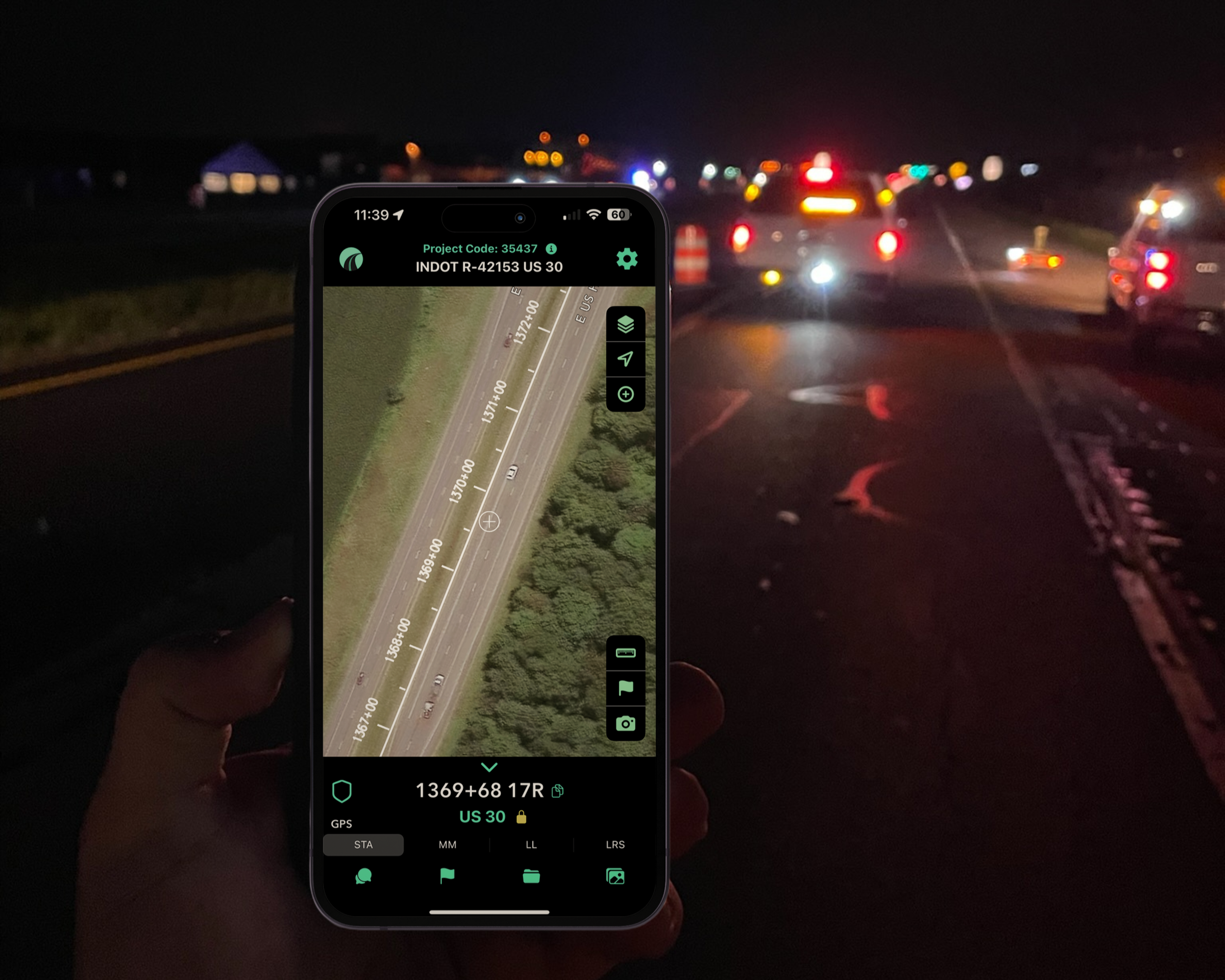
Roadworker using the OnStation App to locate stationing during night work while simultaneously casting their location to the drivers using Active Worksite™
Real-Time Safety Without Disrupting Workflows
With Active Worksite™, crews gain a tool that enhances safety without changing how they work. Because Active Worksite™ integrates naturally into the way crews already operate, adoption is simple and compliance is far more likely. Workers don’t have to learn an entirely new process or stop what they’re doing to access critical information; they can quickly reference accurate, real-time guidance within the flow of their normal workday.
That ease of use is a major advantage for project owners and contractors, helping ensure the technology is consistently used in the field and deliver meaningful safety improvements. A single tap provides real-time visibility, supports compliance, and builds awareness with the traveling public. Whether during daytime operations or the most challenging nighttime shifts, Active Worksite™ delivers clarity when it matters most.
A Safer, Smarter Work Zone Starts With Better Awareness
Roadway construction will always involve risk, but modern tools can dramatically reduce that risk. OnStation gives crews instant clarity about their location and Active Worksite™ gives drivers real-time visibility into where work is happening. By strengthening safety without adding complexity, Active Worksite™ delivers the information the traveling public needs to slow down and move through work zones responsibly.
OnStation’s Active Worksite™ turns real-time location data into real-world protection, helping crews focus on the work, not the risk.